AGP Executive Report
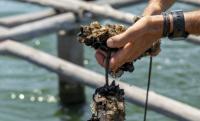
Last update: 10 hours agoEU Strategy: The European Commission’s Vision 2040 sets a 15-year course for fisheries and aquaculture, targeting stronger supply chains, investment and food security while protecting ecosystems. Fishing groups in Galicia say the plan risks sacrificing their sector. Industry Investment: DNV is buying a majority stake in Chilean consultancy Aquabench, aiming to expand digital tools and services for fish health, biosecurity and sustainability. Shellfish Farming: New York is adding $6.5 million for Islip’s shellfish hatchery, bringing funding for the new facility to $16.5 million; it supplies seed to farmers and supports oyster production and bay restoration. Trade and Exports: A Vietnam-EFTA trade deal will remove tariffs on Norwegian salmon when it takes effect and phase out mackerel duties over three years. Tanzania’s fish exports rose 11.3% to $181.6 million, with quality improvements cited as a driver. Cost Pressure: Salmon producers are bracing for a squeeze from rising fishmeal costs.
Note: AI summary from news headlines; neutral sources weighted more to help reduce bias in the result. Feedback is welcome. Please let us know if you have any comments or suggestions about the AGP Executive Report.
 Perspectify News